
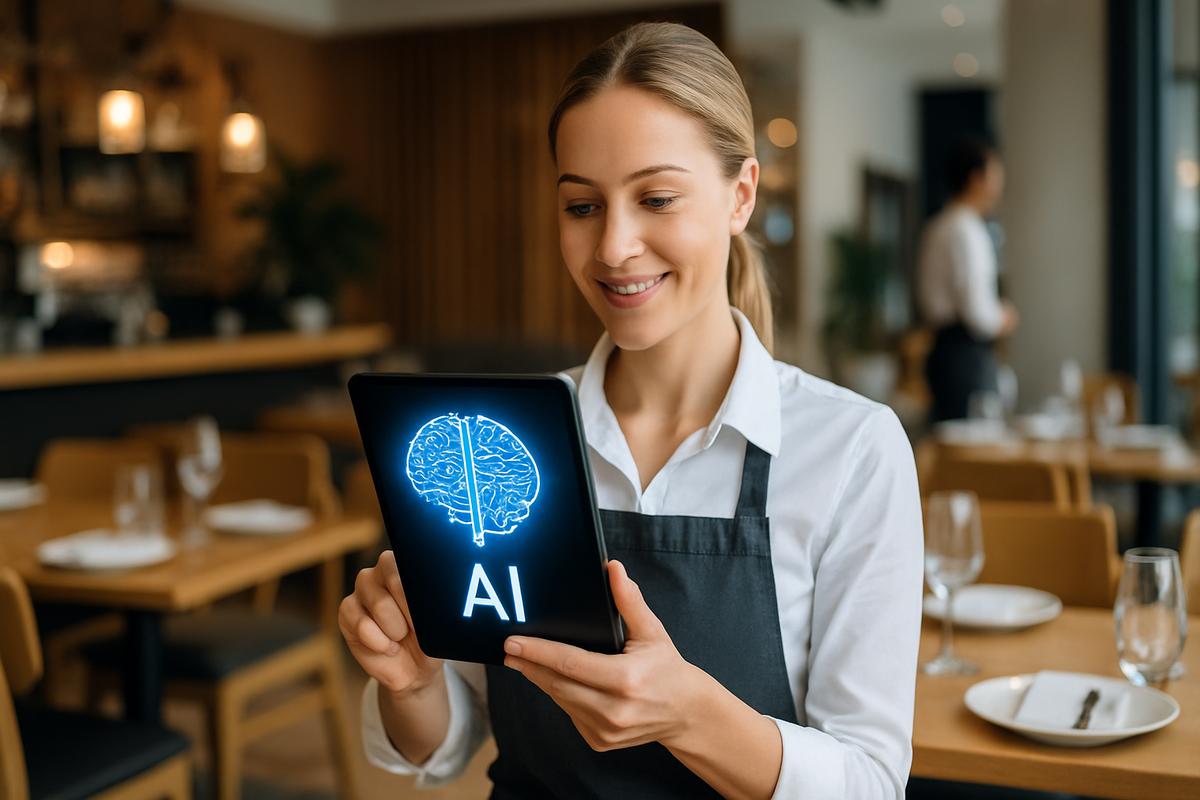
Top 10 AI Applications for Restaurants in 2026
In today's dizzyingly fast-paced digital world, restaurant and cafe enterprises must effectively integrate technology into their core business processes to retain market share and stand out in a fiercely competitive landscape. As of 2026, artificial intelligence technologies continue to radically and structurally transform the hospitality and culinary industry. Traditional management models based on old-school guesswork are completely yielding their place to data-driven, autonomous, and intelligent ecosystems. So, which applications are leading this massive digital revolution, boosting profitability margins, and solidifying customer loyalty? Here are the top 10 AI applications for modern restaurants that guarantee success in 2026!
1. Automated Ordering Systems
In the service sector, speed and the principle of zero error are the ultimate rules of customer satisfaction. AI-powered digital menus and smart management systems like OrderAI automate ordering workflows from end to end, offering patrons a flawless, fluid, and contactless gastronomic journey. This process begins the moment a QR code at the table is scanned and continues as the AI transmits the order to the kitchen displays in the most optimized preparation sequence within seconds. This eliminates human-induced order mix-ups and wait times during peak hours, significantly accelerating the overall service cycle.
2. Smart Inventory Management
One of the most defining components of a restaurant's expense sheet is raw ingredient management. AI comes to the rescue of restaurant operators in smart inventory management as well, minimizing high holding costs or ingredient shortage crises experienced during rushed hours. Sophisticated machine learning algorithms analyze historical sales trends, weekly weather forecasts, and local event calendars to predict with flawless accuracy exactly how much of which ingredient the kitchen will consume in the coming days, making procurement processes entirely autonomous.
3. Personalized Customer Experience
Modern consumers now prefer brands that make them feel genuinely valued and unique over mass-market, standardized services. AI systems capable of thoroughly assessing customer preferences, ordering histories, and flavor palates process this data to deliver a completely tailored and exceptional service to each guest. Upon accessing the digital menu, a patron is dynamically presented with gluten-free options, their favorite sauces, or special menus customized to their palate based on past habits, directly expanding the establishment's average ticket size.
4. Instant Feedback and Customer Satisfaction
The key to maintaining high customer satisfaction lies in the ability to intervene in negative experiences immediately. AI provides immense operational convenience to restaurant operators both for gathering instant feedback and elevating guest satisfaction in real time. AI-driven survey modules and sentiment analysis tools integrated into digital billing or menu exit screens trigger real-time notifications to the restaurant manager's dashboard upon receiving an unsatisfactory rating, enabling the crisis to be resolved before the guest leaves the table, thereby preventing customer churn.
5. Dynamic Pricing Models
Dynamic pricing, which has been utilized successfully for years in the aviation and hospitality sectors, has become an indispensable asset for the restaurant industry in 2026, thanks to AI. By executing real-time price adjustments based on shifting market conditions, sudden raw ingredient cost fluctuations, time of day, and the restaurant's occupancy or patron density rates, these systems empower restaurants to keep their profit margins at the most optimized levels. For example, during off-peak hours, automated campaigns are deployed to prevent tables from remaining empty.
6. Kitchen Management and Automation
The kitchen is the operational heart of any restaurant, and any chaos born there reflects across the entire enterprise. Intelligent kitchen display systems and automation solutions powered by AI optimize dish preparation times, chefs' workloads, and coordination between various preparation stations, enabling kitchens to work far more efficiently. Furthermore, by tracking ingredient expiration dates and executing precise portion control, these systems radically minimize food waste, paving the way for substantial financial savings.
7. Security and Hygiene Monitoring Systems
One of the most critical parameters ensuring guests feel absolute trust towards an establishment is the adherence to rigorous hygiene and safety standards. AI empowers business owners through smart computer vision systems that closely monitor customer safety and international hygiene protocols across restaurants. Operating seamlessly via cameras, these systems instantly audit the kitchen staff's use of masks or gloves, evaluate whether workstations are sanitized regularly, and detect safety breaches across the venue, ensuring absolute compliance with corporate rules.
8. Environmental Sustainability
In the world of 2026, consumers demonstrate much greater loyalty towards eco-friendly businesses that actively support green energy policies. Consequently, AI-powered applications are deployed more intensively to yield environmentally friendly results; maximum efficiency is achieved in areas such as energy management integrated with smart sensors, water consumption optimization, and carbon footprint tracking. By cutting down unnecessary lighting, heating, and cooling expenses, AI protects nature while driving down overall business overhead costs.
9. Human Resources and Staff Performance
Employing the right staff at the right station at the perfect time stands as one of the most challenging workflows in restaurant management. AI-based systems developed to enhance employee productivity and motivation perform an in-depth analysis of staff performance, order preparation speeds, and direct customer feedback for restaurants. In light of this data, the system autonomously drafts the most ideal employee shift schedules for busy hours, avoiding burnout syndrome while optimizing staff satisfaction and retention.
10. Voice Assistants and Chatbots
A restaurant's communication with its customers must remain uninterrupted across digital channels and phone lines, not just at the table. Voice assistants and AI chatbots equipped with advanced natural language processing (NLP) models seamlessly handle delivery order placements, manage table reservations, and respond to frequently asked questions. By rendering customer interactions remarkably fast, courteous, and efficient 24/7, they elevate the restaurant's service quality while substantially lifting the operational workload off the call center or front desk staff.
Take your restaurant into the future! Say hello to a brand-new era of customer satisfaction, operational speed, and financial efficiency today by adopting AI-powered OrderAI solutions.